
A Rico Realty Guide
Moving to Costa Rica is an exciting adventure filled with lush rainforests, stunning beaches, and a laid-back lifestyle. Known for its “Pura Vida” philosophy, this Central American gem attracts expats, retirees, and digital nomads seeking a vibrant culture and natural beauty. However, relocating to a new country comes with challenges and adjustments. In this guide, we’ll explore what to expect when moving to Costa Rica, covering everything from cost of living to cultural nuances, ensuring you’re well-prepared for your new life.
Why Move to Costa Rica?
Costa Rica is renowned for its stable democracy, high quality of life, and commitment to sustainability. It ranks among the happiest countries globally, thanks to its focus on environmental conservation and a relaxed way of life. Whether you’re drawn to the affordable healthcare, year-round warm climate, or thriving expat communities, Costa Rica offers a unique blend of modern amenities and natural wonders.
Key Attractions:
-
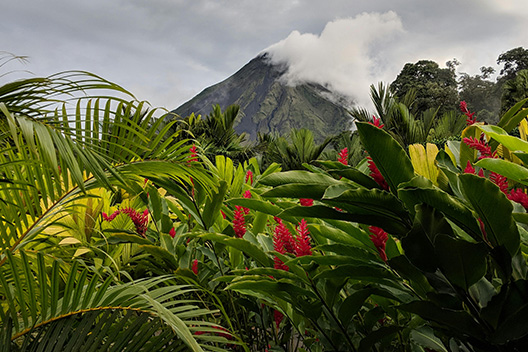
Natural Beauty: From the Arenal Volcano to the beaches of Manuel Antonio, Costa Rica boasts diverse ecosystems, perfect for hiking, surfing, or wildlife spotting.
-
Affordable Living: Compared to the U.S. or Canada, the cost of living is lower, especially for housing and healthcare.
-
Welcoming Culture: Locals, known as Ticos, are friendly and open to foreigners, making integration easier.
Cost of Living in Costa Rica
One of the biggest considerations when moving to Costa Rica is the cost of living. While more affordable than many Western countries, expenses vary depending on your lifestyle and location. Urban areas like San José are pricier than rural towns like Tronadora or Puerto Viejo.
Estimated Monthly Costs (for a couple):
-
Housing: Renting a two-bedroom apartment in a mid-range area costs $500–$1,200. Beachfront or luxury properties can exceed $2,000.
-
Utilities: Electricity, water, and internet average $100–$200, though air conditioning can increase electricity bills due to high rates.
-
Groceries: Expect to spend $300–$500 on food, with local markets offering fresh produce at lower prices than imported goods.
-
Transportation: Public buses are cheap ($1–$3 per local trip), but many expats opt for cars, with gas prices around $5 per gallon.
-
Healthcare: Private healthcare is affordable, with doctor visits costing $50–$80. The public system (Caja) is available for residents at a low monthly fee.
Living frugally, a couple can comfortably manage on $2,000–$3,000 per month, though luxury lifestyles in expat-heavy areas can push costs higher.
Residency and Legal Requirements
Costa Rica offers several visa options for expats, depending on your circumstances. Most newcomers start with a tourist visa (typically 180 days) and later apply for residency.
Common Residency Options:
-
Pensionado (Retiree): Requires proof of a $1,000 monthly pension.
-
Rentista: Requires a guaranteed income of $2,500 per month for two years.
-
Permanent Residency: Available after three years of temporary residency or through family ties (e.g., marriage to a Costa Rican).
- See more options here
Processing residency can take months, so start early. You’ll need documents like birth certificates, police records, and proof of income, all apostilled and translated into Spanish. Hiring a local attorney can streamline the process, costing $1,000–$2,000 plus the guarantee deposit assigned to your country of origin.
Cultural and Lifestyle Adjustments
Adapting to Costa Rican culture is relatively easy, but there are nuances to understand. The “Pura Vida” mindset emphasizes positivity and patience, which can contrast with fast-paced Western lifestyles.
What to Expect:
-
Slower Pace: Ticos value relationships over strict schedules. Expect delays in services like repairs or bureaucracy.
-
Language: Spanish is the official language. While many Ticos in tourist areas speak English, learning basic Spanish will enhance your experience.
-
Community: Expats often form tight-knit communities, especially in areas like Escazú, Nosara, or Jacó. Joining local groups or online forums can ease the transition.
Embrace the relaxed vibe, but be prepared for occasional inefficiencies, like long waits at government offices or inconsistent internet in rural areas.
Healthcare and Safety
Costa Rica’s healthcare system is a major draw for expats. The public Caja system provides affordable care, while private hospitals offer high-quality services at a fraction of U.S. costs. For example, a routine surgery might cost $5,000 privately in Costa Rica compared to $20,000 in the U.S.
Safety is another plus. Costa Rica is one of Central America’s safest countries, with low violent crime rates. However, petty theft, like pickpocketing, is common in tourist areas. Basic precautions—locking doors, avoiding flashy displays of wealth—keep most expats safe.
Finding a Home
Housing options range from modern condos in San José to rustic cabins in the jungle. Research neighborhoods based on your priorities: proximity to beaches, urban amenities, or quiet countryside. Websites like Encuentra24 or local real estate agents can help.
Education and Work Opportunities
If moving with family, research international or bilingual schools, especially in expat hubs like Escazú or Heredia. Tuition ranges from $500–$1,500 per month. Public schools are free but primarily Spanish-speaking, which may challenge non-fluent children.
Job opportunities for expats are limited due to labor laws favoring locals. Digital nomads thrive thanks to reliable internet in most areas, while others start businesses like eco-lodges or cafes. Ensure your work aligns with visa regulations to avoid penalties.
Climate and Geography
Costa Rica’s tropical climate means warm weather year-round, with temperatures averaging 70–85°F. The rainy season (May–November) brings daily showers, while the dry season (December–April) is ideal for outdoor activities. Be prepared for high humidity and occasional power outages during storms.
Geographically, you can choose between coastal beaches, mountainous regions, or urban centers. Each offers a distinct lifestyle, so visit multiple areas before deciding where to settle.
Final Tips for a Smooth Transition
-
Learn Spanish: Even basic phrases improve daily interactions.
-
Budget Wisely: Factor in unexpected costs like car maintenance or medical emergencies.
-
Connect with Expats: Join Facebook groups like “Expats in Costa Rica” for advice and support.
-
Embrace Pura Vida: Patience and flexibility are key to enjoying your new life.
Conclusion
Moving to Costa Rica offers a chance to live surrounded by nature, immerse in a welcoming culture, and enjoy an affordable lifestyle. By understanding the cost of living, residency processes, and cultural differences, you can make a smooth transition. Whether you’re retiring, working remotely, or seeking adventure, Costa Rica’s Pura Vida spirit will inspire a fulfilling new chapter. Start planning today, and soon you’ll be sipping coffee with a view of the Pacific or hiking through a rainforest paradise.